







Search Results for: Finca San José

Analysis of the Flavor Characteristics and Pour-Over Parameters of Colombia Finca San José Oak Barrel Fermented Coffee Beans
In the specialty coffee world, barrel-fermented processing methods have attracted considerable attention in recent years, and the origins of this technique can be traced back to Finca San José in Colombia. The third-generation female owner of the estate was the first to try placing green coffee beans into rum oak barrels for low-temperature fermentation, pioneering a distinctive processing method. This article will provide a comprehensive introduction to Finca San José's regional background, the development of the Castillo variety, the specific process of fine washing combined with rum barrel fermentation, and compare its flavor differences with the barrel-aged beans from Finca Moca in Honduras. At the same time, Front Street Coffee will share the optimal extraction parameters and flavor performance of this bean through brewing experiments at three different water temperatures, helping coffee enthusiasts gain a deeper understanding of this unique Colombian coffee. [more…]
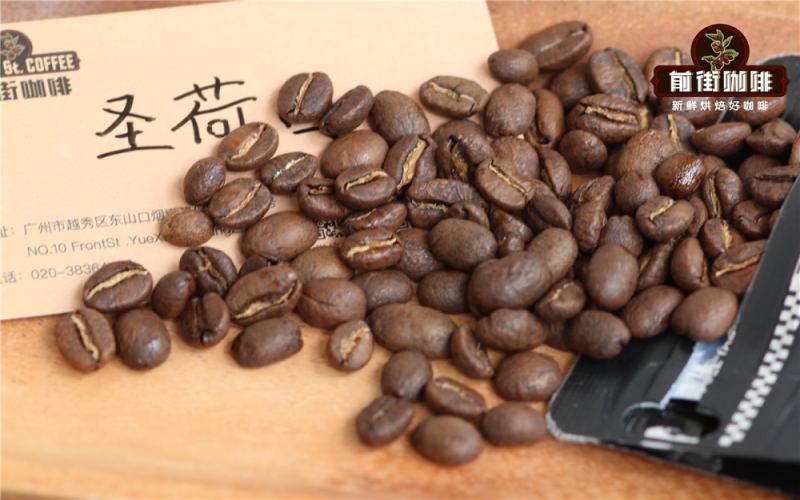
Pour-over Techniques and Flavor Analysis of Colombia Finca San José Rum Barrel-Aged Coffee Beans
The barrel fermentation processing method was not pioneered in Honduras; its inspiration came from a moment of inspiration by the lady owner of Finca San José in Colombia. This rum barrel fermented coffee that Front Street Coffee is presenting this time comes from the Caldas region, at an altitude of 1750 meters, and the variety is Castillo. The green beans rest in aged rum barrels for three months, absorbing a full rum aroma. This article will provide a complete introduction to the estate background, processing flow, and roasting curve, and will separately give the parameters and staged extraction methods for hot pour-over and iced pour-over, helping you brew a richly layered cup with rum, nut, and tropical fruit flavors at home. [more…]
An Analysis of Rum Barrel Fermented Coffee Beans Processing Method: The Specialty Coffee Innovation Craft of Finca San José in Colombia
The highly sought-after "Front Street San Jose Estate Rum Barrel Fermented" coffee beans at the coffee market greet you with a rich rum aroma the moment you open the bag. Where exactly does this unique boozy scent come from? Starting from the terroir conditions of San Jose Estate in Caldas Province, Colombia, this article tells how the estate owner, inspired by rum aging, conceived the idea in 2013 of putting green coffee beans into oak barrels. After years of experimentation, the low-temperature rum barrel fermentation process was established in 2017, using the Castillo variety, and involving fully washed processing, 20-hour fermentation, resting in oak barrels aged over 8 years for three months, and daily tumbling, so the beans evenly absorb the rum aroma. These beans once won silver as a blend in the Cappuccino category at the 2019 RASV Australian International Coffee Roasting Competition. Suitable for pour-over, espresso, ice drip, or cold brew, it is a versatile specialty choice recommended by Front Street. [more…]
Colombia Finca San José Rum Barrel-Aged Coffee: Pour-Over Parameters and Hot & Iced Brewing Flavor Analysis
The barrel fermentation process was not pioneered in Honduras; its inspiration came from a sudden flash of insight by the lady owner of Finca San Jose in Colombia. Front Street Coffee takes you deep into the origin background, processing method, and Castillo variety characteristics of this rum barrel fermented coffee bean, and shares the complete parameters and staged extraction techniques for both hot and iced pour-over. From the roasting curve to grind size, water temperature, and coffee-to-water ratio, we break down in detail how to brew a cup of San Jose coffee with rich wine aroma and complex layers, allowing you to experience the unique flavors where rum, nuts, and tropical fruits intertwine. [more…]
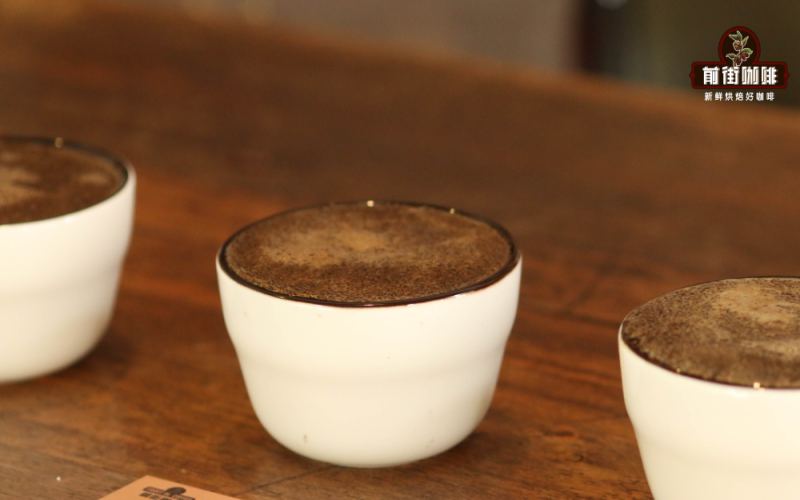
Exploring the Origin of Rum Barrel Fermented Coffee: The Unique Processing at Finca San José in Colombia and Front Street's Brewing Analysis
Wine-aroma coffee beans have gained great popularity in recent years. Many people believe that barrel fermentation technology originated in Honduras, but in fact, Finca San Jose in Colombia is the true pioneer of this process. This article will guide you through an in-depth understanding of how Finca San Jose cleverly combines rum oak barrels with green coffee beans—from the selection of the Castillo variety, the details of refined washed processing and three-month barrel fermentation, to Front Street Coffee's roasting curve and brewing parameters—fully revealing the flavor secrets of this rum barrel-fermented coffee. Whether you are curious about its historical origins or want to replicate a cup of wine-aroma pour-over, you will find detailed answers here. [more…]
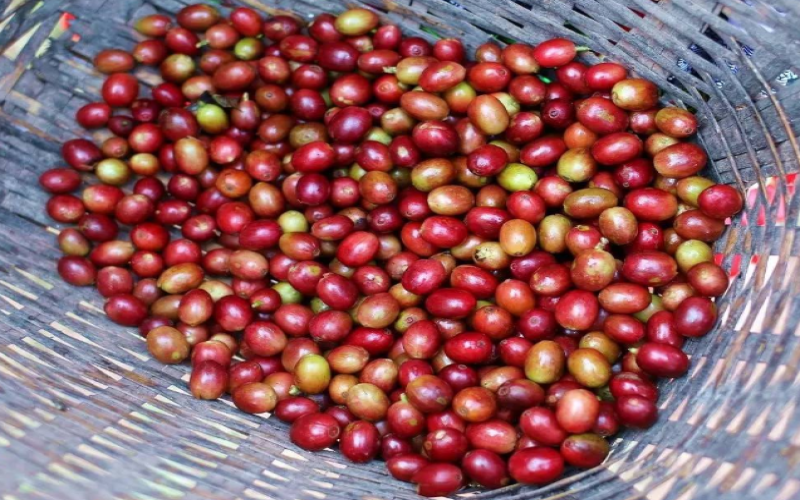
An In-Depth Analysis of the Colombia Finca San José Castillo Rum Barrel Fermented Washed Coffee
Castillo is a variety bred by Colombia's coffee research institute to enhance disease resistance, and it has now become the country's main cultivated variety. From the perspective of Front Street Coffee, this article systematically reviews Castillo's hybrid origins and the terroir conditions of Colombia's four major southern production regions, then focuses on Finca San Jose—the birthplace of the barrel fermentation processing method—explaining in detail the process of its refined washed processing combined with rum barrel fermentation, and compares this bean with Finca El Paraiso Cherry coffee through cupping, along with roasting and brewing sharing, presenting coffee enthusiasts with a complete guide to the production region and processing method. [more…]
Flavor Analysis and Pour-Over Parameters Guide for Colombia San Caldas San José Estate Oak Barrel Fermented Coffee Beans
In the world of specialty coffee, barrel-fermentation processing has attracted much attention in recent years, and the pioneer of this technique was not Honduras' Moca estate, but rather El Finca San José in Colombia's San Caldas region. In a moment of inspiration, the estate's third-generation female owner placed green coffee beans into rum oak barrels for low-temperature fermentation. After repeated experiments, she ultimately created the distinctive rum barrel-fermented coffee. This article will guide you through the background of Finca San José, the birth of barrel fermentation, the origins of the Castillo variety, and Front Street Coffee's pour-over performance and brewing recommendations for this bean at different water temperatures, helping you gain a more comprehensive understanding of this uniquely flavored Colombian specialty coffee. [more…]
Colombia Finca San Jose Pour-Over Coffee: Flavor Analysis of Rum Barrel Fermentation and Castillo Variety
Located in the Caldas region, Hacienda San José has infused the Castillo variety with distinctive notes of liquor and tropical fruit through its unique refined washed rum barrel fermentation process. This article will guide you through the bean's origin background, processing details, and the development of the Castillo variety in Colombia, while also sharing the brewing parameters and cupping flavor profile recommended by Front Street Coffee. [more…]
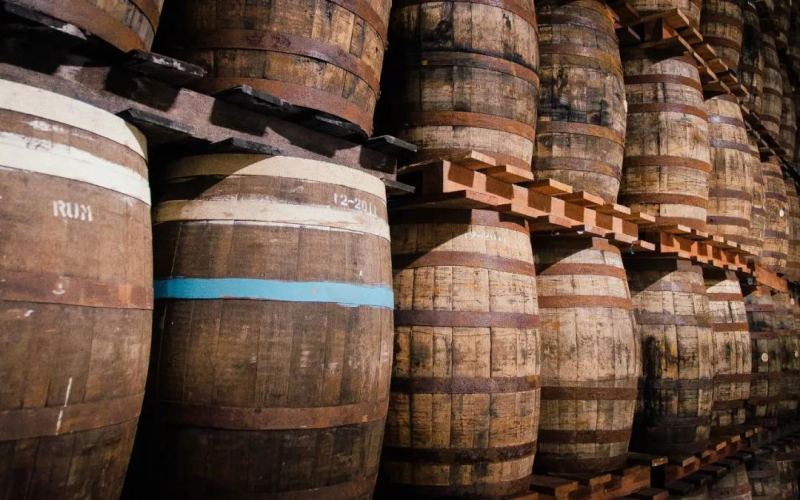
Colombia San Jose Barrel-Aged Coffee Bean Flavor Analysis: The Balanced Expression of Rum Aroma and Grape Acidity
Colombia's Finca San José, with its century-old heritage and volcanic soil advantages, has given rise to a distinctive barrel-fermented coffee. This article will guide you through the origin background of these Front Street Coffee Colombia Finca San José coffee beans, the characteristics of the Castillo variety, and their unique barrel fermentation followed by washed processing method. Through actual V60 brewing tests, these beans present a rich rum fermentation character, grape-like acidity, and a maple syrup finish, with an overall balanced and smooth profile. If you prefer coffee with vinous aromatic notes, why not join us in exploring its flavor performance in this article. [more…]
Costa Rica Don Mayo Estate Geisha Flavor Analysis: A Complete Guide from Cup of Excellence Champion to Honey Processing
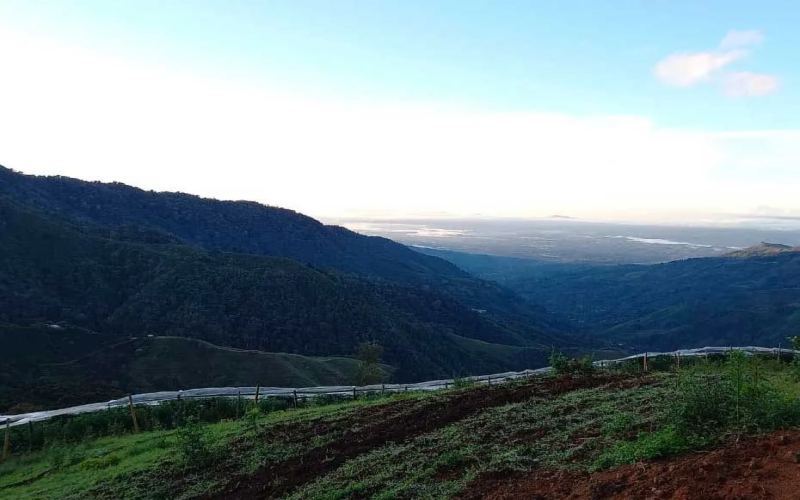
Don Mayo Estate is located in the Tarrazú region of Costa Rica and has been managed by the Bonilla family since 1994. With its high-altitude terroir and meticulous management, it has won numerous awards in Cup of Excellence competitions. The estate comprises fourteen plots, cultivating varieties such as Geisha and Catuai, and is renowned for its honey processing. This article reviews the estate's development history, plot characteristics, and award-winning journey, and combines two beans sourced by Front Street Coffee—Cedar Plot Red Honey Geisha and Vista Plot Black Honey Catuai—to present their flavor profiles and processing details for coffee enthusiasts' reference. [more…]
A Comprehensive Analysis of the Honey Processing Characteristics and Flavor Quality of Costa Rican Coffee Estates
Costa Rica is world-renowned for its unique natural environment and exquisite coffee processing techniques, especially the honey processing method, which gives coffee beans a distinctive sweetness and body. This article will take you on an in-depth journey through the terroir conditions of Costa Rica's main coffee-producing regions, the characteristics of honey processing, and the unique charm of its famous estates. Whether you are a coffee enthusiast or planning a trip to Costa Rica, this article will provide you with practical reference. Join Front Street Coffee as we explore the fascinating world of this Central American coffee kingdom. [more…]
Costa Rica Torbus Estate Honey-Processed Coffee Cold Drip Brewing Method and Regional Flavor Analysis
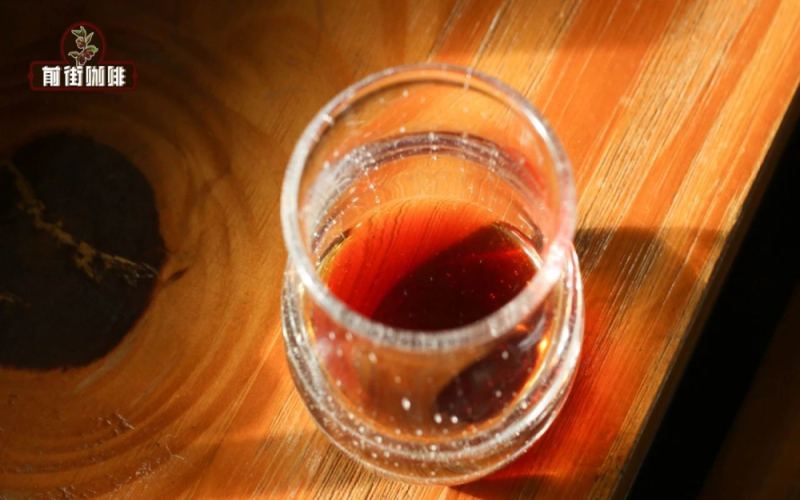
Costa Rican coffee is famous for its sweet, honey-like flavors, and the Tarrazú region is especially representative of specialty coffee. In this article, Front Street Coffee will take you deep into Costa Rica's Tobushi Estate honey-processed Catuai coffee, covering the region's characteristics, variety and processing method, and cupping flavors, and will also explain in detail how to use Front Street Strawberry Candy Coffee to make a captivatingly flavored cold brew. Whether you want to explore the source of Costa Rican coffee's sweetness or try cold brew extraction at home, this tutorial offers practical reference. [more…]
Exploring Costa Rica's Tarrazú Highlands: Coffee Cultivation at Finca Voo and Its COE Competition Success
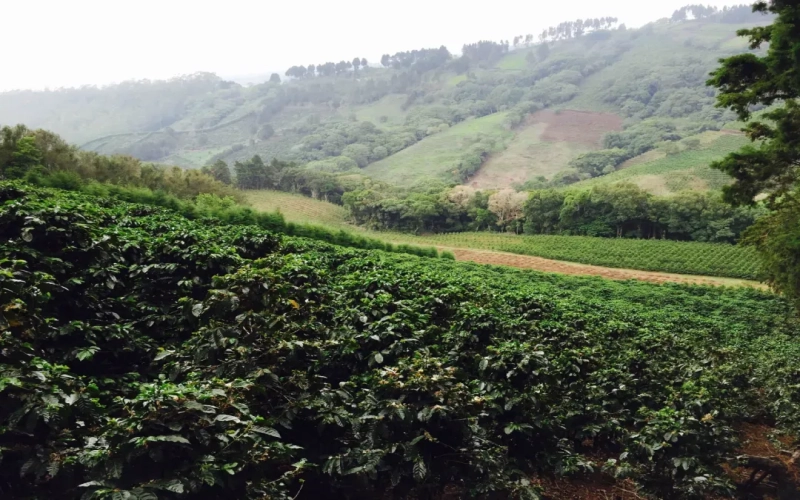
Costa Rica is a pioneer of coffee cultivation in Central America and has now ranked as the world's fourteenth-largest coffee producer. Surrounded by volcanoes and with a mild climate, it provides ideal conditions for coffee growing. Among its seven major production regions, Tarrazu is the most famous, drawing attention for its high altitude and outstanding performance in the Cup of Excellence (COE). Located in the Copey de Dota area of Tarrazu, Finca Voo sits at an altitude of 1,960 meters and belongs to Café Solís & Cordero S.A. In recent years, it has repeatedly achieved excellent results in COE competitions. Front Street Coffee will take you deep into the terroir of this highland production region and the story of Finca Voo's rise. [more…]
Costa Rica Tarrazú Three Miracles Estate: A Comprehensive Analysis of a Specialty Coffee Estate in Collaboration with the Camilo and Facusse Families
Costa Rican coffee, with its volcanic terrain, mild climate, and consistent rainfall, has become a key player on the global specialty coffee map. This article focuses on the Tres Miracles estate in the Tarrazú region, telling the story of how Camilo, the owner of the San Tuario estate, and the Facusse family of the Dinant company joined forces to create this specialty project. It also offers an in-depth analysis of the estate's unique approaches to altitude selection, planting density, greenhouse systems, intercropping symbiosis, shade-grown cultivation, and variety selection. Front Street Coffee also brings you purchasing information for this bean. [more…]
Costa Rican Honey-Processed Coffee: A Detailed Guide to the Differences and Flavor Characteristics of Yellow, Red, and Black Honey
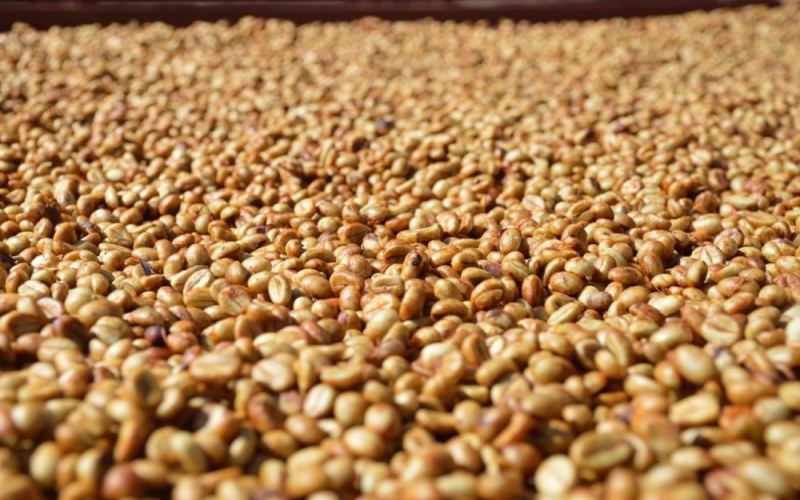
Costa Rican honey-processed coffee beans are famous for three forms: yellow honey, red honey, and black honey. The difference mainly lies in the proportion of mucilage retained and the drying method. Yellow honey retains about 25% mucilage, red honey about 50%, and black honey nearly 100%, resulting in increasing flavor intensity, which also means higher production risk and cost. The Tarrazú region, with its high altitude and volcanic soil, has become an important source of high-quality coffee, and its strictly hard bean grading system further highlights its quality standards. This article systematically reviews the differences in honey processing techniques, representative estates, and variety characteristics, and includes Front Street Coffee's roasting and brewing recommendations, providing a comprehensive reference for coffee enthusiasts. [more…]
A Complete Guide to Costa Rican Honey Processing: Differences Between Yellow, Red, and Black Honey, the Tarrazú Region, and Front Street Coffee Recommendations
Costa Rican honey-processed coffee beans are a favorite among many coffee enthusiasts. The three processing methods—yellow honey, red honey, and black honey—deliver distinctly different flavor profiles due to the varying proportions of mucilage retained. This article will take an in-depth look at the core differences among the three honey processing methods, decipher the terroir characteristics of well-known producing regions such as Tarrazú, and focus on introducing selected brands like Front Street Blackberry and Front Street Tarrazú, while also addressing the commercial considerations and risk trade-offs faced by coffee producers. Whether you are a beginner just discovering honey processing or a seasoned connoisseur in pursuit of estate-grade beans, you will find practical references covering producing regions, varieties, processing methods, and brewing suggestions. [more…]
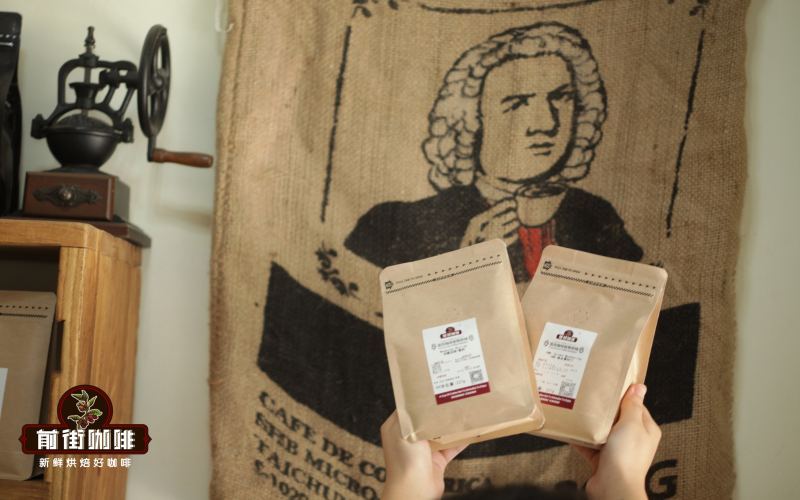
The Origin Story of Costa Rica Musician Series Coffee Beans and Flavor Analysis of Beethoven, Mozart, and Bach
Costa Rica is renowned for its honey processing, and its coffee has a prominent sweetness; it is one of the earliest countries in Central America to cultivate coffee. This article begins with the history of its production regions and introduces the Musician Series from Kenneth Estate in the Tarrazú region, including the processing methods and flavor differences of three beans: Beethoven, Mozart, and Bach. Front Street Coffee uses a medium roast, brewing with 91°C water and a Hario V60 dripper to present a rich aroma and delicate sweetness. The article also explains the technical characteristics of raisin honey processing, as well as the specific expressions of the three coffees in terms of acidity, fermented aroma, and aftertaste, making it suitable for readers who want to gain a deeper understanding of Costa Rican specialty coffee. [more…]
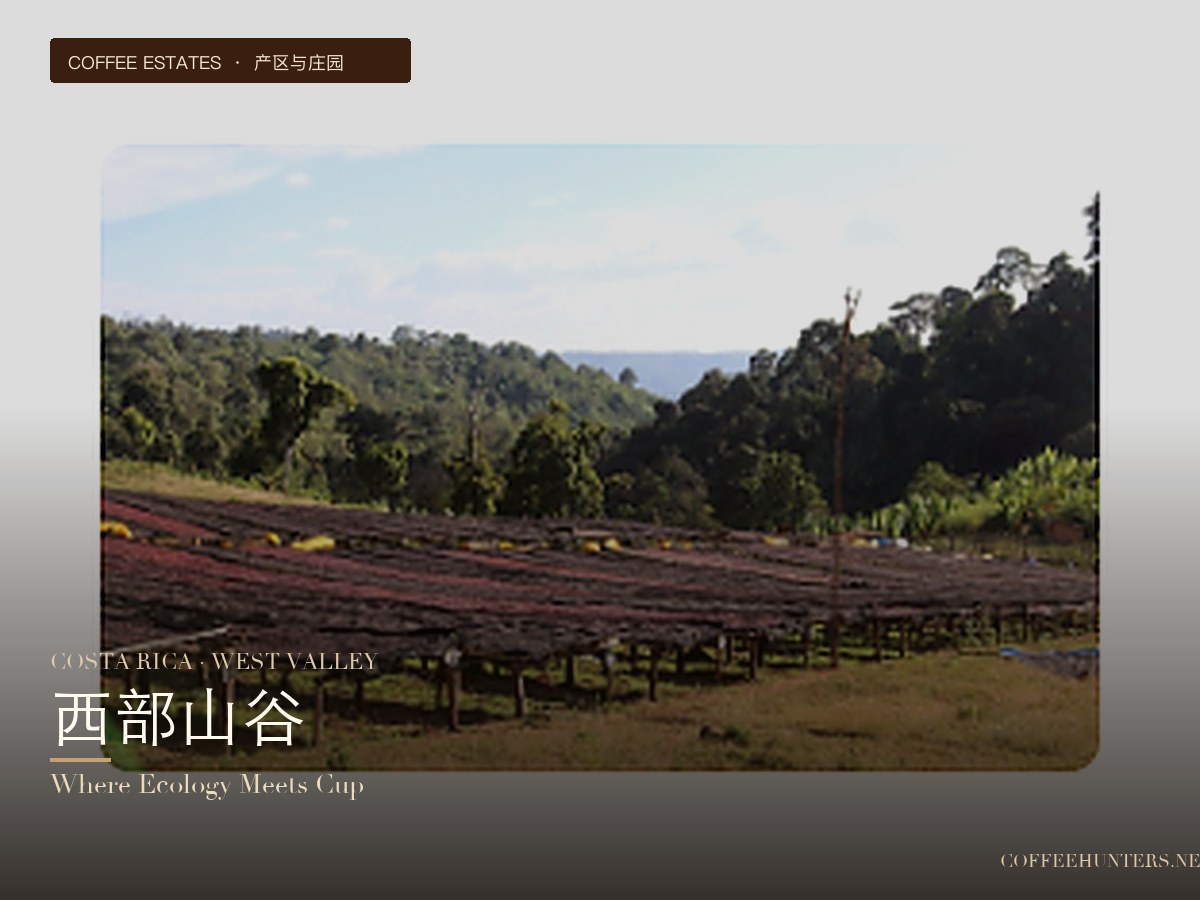
Costa Rica · Western Valley: A Representative of Ecological Specialty
The Western Valley is one of Costa Rica's four major specialty coffee regions, known for its eco-friendly growing philosophy and diverse processing methods. This article introduces the characteristics and signature flavors of this region. [more…]
An Interpretation of Costa Rica's Coffee Grading System and a Flavor Analysis of the Musician Series Mozart
Costa Rica, as a major coffee powerhouse in Central America, has long drawn attention for its grading system and regional characteristics. This article begins with a Mozart coffee bean recommended by Front Street Coffee, providing a detailed introduction to the Tarrazú region, the Canet estate, and the H1 variety, while offering an in-depth analysis of the complex flavors brought by the raisin honey process. Mozart coffee features interwoven floral notes and fermented sauce-like aromas, accompanied by the sweetness of raisins and dried fruit and the acidity of star fruit and berries, retaining its elegant aroma even after cooling. Whether you are new to specialty coffee or a seasoned enthusiast, you will gain a complete understanding of Costa Rican coffee grades and flavors. [more…]
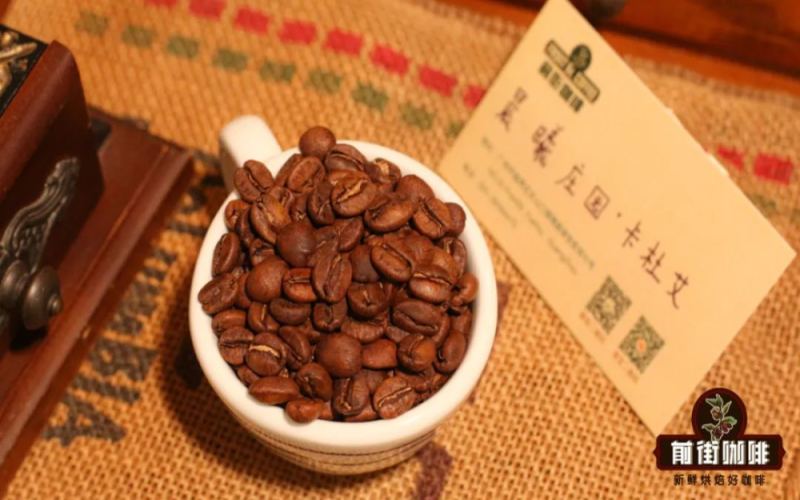
How to drink Costa Rican Red Honey coffee beans? Hand-brew parameters and flavor analysis of Hacienda El Mirador Catuai
Costa Rica is renowned for its honey-processed coffee, and Hacienda El Mirador in the Tarrazú region is a prime example. This Front Street Coffee Costa Rica Hacienda El Mirador Red Honey Catuai comes from the Tarrazú region at an altitude of 1,750 meters, employs the red honey process, and showcases rich flavors of sweet orange, cream, grapefruit, honey, and black tea. This article will guide you through Hacienda El Mirador's growing background, the characteristics of the Catuai variety, and the features of the red honey process, while sharing Front Street's cupping experience and pour-over parameter recommendations to help you better brew this exceptionally sweet coffee. [more…]